
I. Introduction:
A decade ago, publishing felt like a locked door. You wrote a book, sent it to agents, waited months, and often heard nothing back. Today, that door is wide open. Independent publishing has changed how stories reach readers, and it’s given writers more choice than ever before. This shift is exactly why many modern guides, including those shaped by David Mckay Publication, focus on education rather than gatekeeping.
More authors are choosing the independent route because it offers control, speed, and flexibility. You no longer have to wait for permission to publish your ideas. If you’re willing to learn the process and make smart decisions, you can bring a professional book to market on your own terms, just as many independent authors working with insights from David Mckay Publication have done.
That said, indie publishing is often misunderstood. Some people think it means cutting corners. Others believe it’s just uploading a file and hoping for the best. Neither is true. Independent publishing is a structured process that rewards planning, patience, and informed choices.
This guide exists to clear up the confusion. It’s written to give you clarity, realistic expectations, and practical insight. By the end, you’ll understand how independent publishing really works and how to decide if it fits your goals.
II. What Is Independent Publishing? (Simple Explanation)
Independent publishing means you publish your book without giving control to a traditional publisher. You stay in charge of decisions, rights, and timelines. You choose your team, your formats, and your strategy.
This model is different from traditional publishing, where a publisher owns most decisions and rights. It’s also different from vanity publishing, which often charges high fees without offering real value or transparency.
As an independent author, you act as both creator and decision-maker. That may sound intimidating, but it doesn’t mean you do everything alone. Many authors use Book Publishing Services to handle editing, design, or distribution while keeping ownership of their work.
Independent publishing and self-publishing often overlap. The difference usually comes down to approach. Independent publishing focuses on professional standards and long-term planning, not shortcuts.
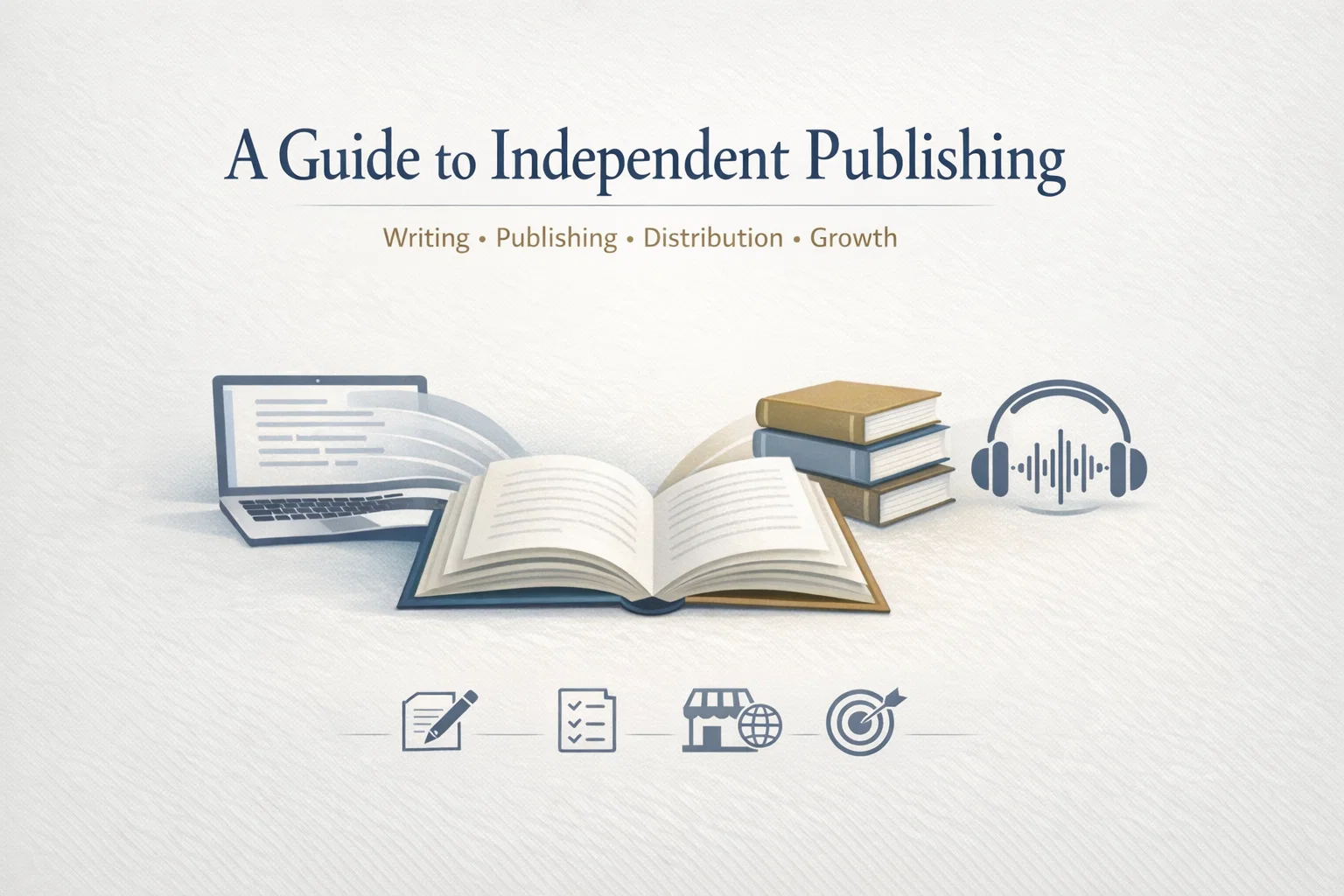
III. How Independent Publishing Actually Works
Let’s break the process down in plain terms.
First, you finish your manuscript. That’s step one, and it matters more than anything else. A rushed book causes problems later.
Next comes editing. This is where many first-time authors hesitate, but it’s a critical step. After editing, the book moves into design and formatting. That includes the cover and the interior layout.
Once the book looks professional, it’s prepared for distribution. Files are uploaded, metadata is added, and formats are selected. At this stage, decisions like pricing and territories matter.
Compared to traditional publishing, timelines are shorter. You don’t wait years to see your book in print. Flexibility is the real advantage here. You control when and how the book is released.
IV. The Author’s Role in Independent Publishing
In independent publishing, you have creative control. You choose the title, the cover style, and even how the book is positioned in the market.
With that control comes responsibility. Quality matters. Consistency matters. Readers notice when a book feels rushed or unfinished.
You’ll also decide which formats to release. Some authors publish ebooks first. Others go straight to print or audio. The choice depends on your audience and goals.
Pricing is another key decision. Too high, and readers hesitate. Too low, and your work may seem undervalued. Finding balance takes research and patience.
Your involvement doesn’t end at launch. Long-term success comes from staying engaged and learning as you go.
V. Editorial Standards in Independent Publishing
Editing is not optional if you want credibility. Even strong writers need fresh eyes on their work.
There are three main types of editing:
Developmental editing focuses on structure, pacing, and clarity.
Copyediting looks at grammar, tone, and consistency.
Proofreading is the final polish before publication.
Skipping editing often leads to poor reviews and lost trust. Readers may forgive a typo, but they won’t forgive confusion.
Many authors work with Professional Book Writing Services during this stage, especially if they need help refining ideas or improving flow.
VI. Book Design and Presentation
People do judge books by their covers. A strong cover invites readers in. A weak one pushes them away.
Interior formatting matters just as much. Clean margins, readable fonts, and consistent spacing create a smooth reading experience.
If you plan to publish more than one book, branding becomes important. A consistent look builds recognition over time.
Common mistakes include cluttered covers, hard-to-read text, and ignoring genre expectations. These errors can hurt retail acceptance.
Presentation signals professionalism. When your book looks polished, readers take it seriously.
VII. Distribution: Getting Books to Readers
Distribution is about access. Your book needs to be available where readers shop.
Most independent authors use online retailers and print-on-demand platforms. This allows global reach without upfront printing costs.
You’ll also decide between wide and exclusive distribution. Wide distribution spreads your book across many platforms. Exclusive programs may offer perks but limit reach.
ISBNs and metadata play a quiet but important role. They help retailers categorize and display your book correctly.
Discoverability matters more than availability. A book no one can find won’t sell, no matter how many stores carry it.
VIII. Pricing, Royalties, and Revenue Expectations
Pricing is both art and strategy. Research similar books in your genre before deciding.
Royalties are usually a percentage of each sale. Some platforms pay based on list price, others on net revenue.
Book income is often gradual. Most authors don’t see instant results, and that’s normal.
Set realistic expectations. Independent publishing rewards patience and consistency more than quick wins.
IX. Marketing in Independent Publishing: What Really Works
Marketing works best when it’s shared. Authors and support teams play different roles.
Many myths exist around promotion. No single post or ad guarantees success.
Reviews, visibility, and steady engagement matter more than hype. Readers trust other readers.
Some authors use Book Marketing Services to support campaigns, while others focus on organic growth. Both approaches can work.
Think long-term. A slow, steady approach often outperforms launch-only efforts.
X. Legal Basics and Publishing Rights
In independent publishing, you usually own your rights. That includes print, ebook, and audio.
ISBN ownership matters if you want full control. Contracts and service agreements should always be clear.
Foreign rights and adaptations may come later. Keeping your options open is wise.
Clarity upfront prevents problems down the road.
XI. Common Challenges Independent Authors Face
Choices can feel overwhelming. Platforms, prices, formats—it adds up.
Budget planning helps reduce stress. Decide where to invest and where to wait.
Online advice is everywhere, and not all of it applies to you. Learning to filter information takes time.
Balancing creativity with business decisions is hard, but education makes it manageable.
XII. Real-World Independent Publishing Scenarios
Scenario one: A first-time author publishes independently and learns the value of editing after early reviews.
Scenario two: A traditionally published author moves indie to regain control and flexibility.
Scenario three: An author builds a long-term plan and releases books consistently over several years.
Each path teaches patience and adaptability.
XIII. How Independent Publishing Supports Long-Term Author Growth
Publishing more than one book builds momentum. Readers who enjoy one title often look for more.
Author brands grow through consistency and trust.
Feedback helps shape future projects. Markets change, and flexible authors adapt.
Independent publishing rewards those who think long-term.
XIV. Final Thoughts: Independent Publishing as an Informed Choice
Independent publishing isn’t about shortcuts. It’s about knowledge and intention.
When authors understand the process, they make better decisions and avoid costly mistakes.
Publishing works best when viewed as a journey. Every book teaches something new.
This perspective is central to the approach shared by David Mckay Publications and reflected across the work of David Mckay Publication.
XV. Frequently Asked Questions
Is independent publishing right for first-time authors? Yes, if you’re willing to learn and invest in quality.
How much does it usually cost? Costs vary based on editing, design, and marketing choices.
Can indie books reach bookstores? Yes, especially with professional presentation and distribution.
How long does the process take? It depends on preparation, but it’s often much faster than traditional routes.
What’s the biggest mistake new authors make? Rushing the process and skipping professional standards.
YOU MIGHT ALSO LIKE
The Author’s Checklist Before Publishing a Book
If you are a first-time author who aspires to bring out your first publication in the market, you should be
How to Become a Bestselling Book Publisher with Amazon Publishing
Let’s suppose you are an independent publisher with a zero brand presence; you must be planning to adopt a strategic

Your First Book Deserves Better: How to Choose the Right Self-Publishing Service
I. Introduction: Why Your First Publishing Decision Matters Finishing your first book feels amazing. There’s relief. Pride. A little disbelief.