

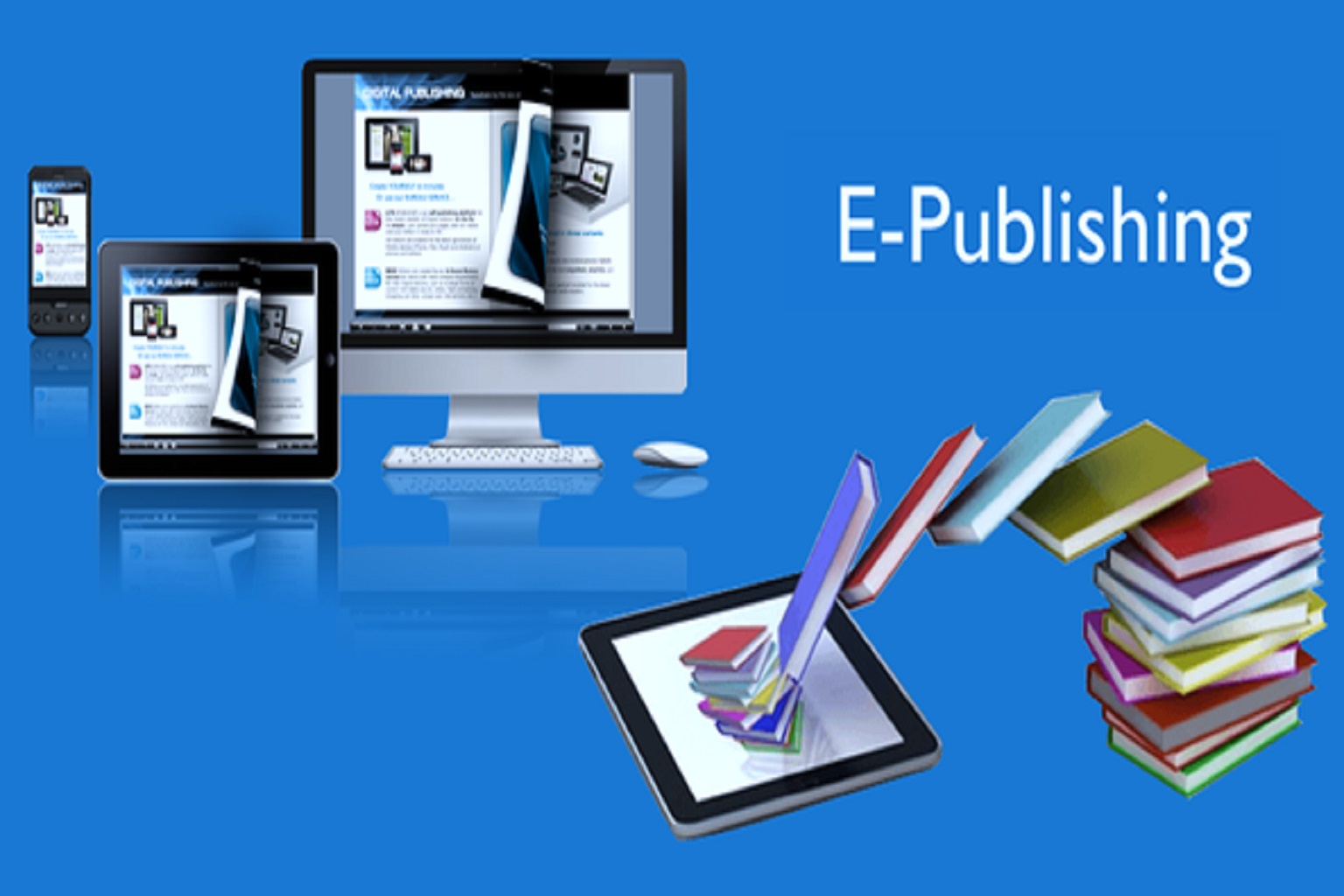
Over the past decade, authors and publishers have faced limitations imposed by conventional storytelling and publishing methods. The reliance on printed books with standard themes, narrow genres, and a labor-intensive production process led many authors to feel uninspired. As creative control diminished, writers opted out of manuscript writing, design, prepress, and production. The emergence of digital technologies, including AI algorithms, has significantly altered the book-making landscape. Interactive storytelling has empowered authors by enabling them to utilize digital platforms and technologies to gain personalized, engaging, and immersive experiences.
Modern narratives encompass captivating text complemented by striking headings, compelling illustrations, and a thoughtful visual hierarchy to create a captivating story. Fantasy writers incorporate interactive maps, 3D models, videos, audio, animations, and augmented and virtual reality, seamlessly integrating ambient soundscapes and visual metaphors directly into the text, thereby heightening reader engagement. As a result, the growing demand for creating fascinating narratives increased, and it motivated contemporary publishers including David Mckay Publications to exercise their creative control over the book publishing process. With this digital transformation, indie publishers and authors utilize self-publishing platforms like Amazon Kindle Direct Publishing (KDP) to self-publish books of different genres. Self-publishing route enables authors to bypass traditional gatekeepers and maintain greater creative freedom in manuscript editing, layout design, book cover creation, and developing digital format books.
The advent of digital publishing formats such as EPUB, MOBI, FB2 (Fiction Book 2.0), and audiobooks has expanded the global e-book market. By 2025, annual e-book sales are projected to reach around $14.92 billion. Meanwhile, audiobooks have experienced remarkable growth worldwide, with an annual growth rate of approximately 26.4%.
Digital publishing trends also support new publishers by reducing costs related to printing, physical distribution, and inventory management. Publishing houses are to broaden their book distribution, increase sales, and potentially achieve higher profit margins on a global scale. Additionally, the integration of AI, machine learning, and augmented reality technologies enhances interactive visualization for readers, boosting engagement. Thus, AI has revolutionized the book publishing process by streamlining content creation, production, design, and printing processes.
Evolution of Digital Publishing
An advancement in digital publishing has transformed the publishing industry from a rigid, gatekeeper-controlled system to innovation and creation of immersive and interactive experiences. Professional book publishing services including David Mckay Publications have shifted from print-centric to digital publishing. The traditional model of typesetting, printing, and physical distribution is accompanied by digital editions with audio clips, videos, and interactive graphs. Manuscripts in different formats, such as e-books, audiobooks, online articles, and social media snippets, are now accessible to a wider audience through online platforms and major online booksellers such as Amazon Kindle, Apple Books, and Google Play Books.
E-readers such as Amazon Kindle, Kobo, Nook, Apple Books, and Pocket Book, introduced in 2007 – 2015, engage readers through their portable and accessible features. Customized and adjustable font sizes, screen, and dark mode reduce eye strain, offering a pleasurable reading experience. E-Readers have an extensive library that stores innumerable books, preventing readers from carrying heavy books. Built-in dictionaries, search functions, highlighting, and note-taking features help readers to interact deeply with the text, boost their comprehension, and gain a seamless reading experience. Using interactive elements such as animations, graphics, and hyperlinks makes content more dynamic and engaging for readers. Renowned publishers simultaneously manage production, design, publishing, and broader distribution of e-books and audiobooks through online platforms, websites, or utilize print-on-demand, cost-effective print, and distribution services.
Benefits of Digital Formats for a Professional Publishing House
Analyzing the influence of digital format books on the publishing industry enables leading book publishing companies like David McKay Publications to adopt digital transformation. A contemporary publishing service operating as a hybrid publisher utilizes AI-driven software to enhance content creation, editing, and design, resulting in quicker production and worldwide availability. Real-time collaboration with publishing specialists supports authors from the primary stage of manuscript development to editing, proofreading, and designing layouts and book covers. They empower authors to access various editing tools, from conventional word processing applications to advanced AI-driven editing tools such as Grammarly, ProWritingAid, and Scrivener, to enrich the content and structure. Editors carry out several rounds of manuscript editing, identifying and adjusting grammar and syntax errors, improving coherence and flow, and ensuring a consistent voice throughout the narrative.
The final proofreading stage involves rigorous content revisions. Proofreaders and formatters meticulously review minor grammar, spelling, punctuation, and typographical errors and also assess structural flaws that may have been overlooked during developmental editing. To enhance reader engagement, professional book publishers incorporate visual elements such as audio clips, videos, animations, podcasts, and interactive graphics to generate immersive content experiences. For efficient and seamless online publishing, seasoned publishers utilize digital publishing platforms like Amazon KDP, Apple Books, and Barnes & Noble Press. These online platforms smoothly convert manuscripts into various formats like ePub and Mobi for Kindle and Apple Books.
To boost sales, accelerate production, and promote accessibility of published books to a broad audience, David McKay Company employs eco-friendly printing methods. Print-on-demand (POD) technology prints copies when publishers receive a publishing order. POD reduces the need for large print runs, eliminates inventory and shipping costs, and minimizes paper waste. Furthermore, connecting with online retailers, marketplaces, online brand stores, and various niche sellers guarantees rapid distribution of both print and digital formats of books globally. E-books and audiobooks are readily available on numerous devices, e-readers, and tablets.
In addition, digital publishing trends allow publishers to develop personalized marketing strategies using SEO, social media, and email campaigns. AI-powered tools with machine learning and natural language processing algorithms assist authors in generating relevant and striking keywords, book titles, and metadata that enhance book marketability. Marketers design engaging social media content, brief videos, and immersive book trailers for various platforms. They also send promotional emails to a wide audience to foster direct interaction. Sharing reviews and blog articles on websites and online publishing platforms builds a stronger connection with the audience. Additionally, publishing houses can generate new revenue streams, subscriptions, and direct sales through digital channels.
Reliable data enables publishing services to refine their marketing approaches to improve manuscript discoverability. A successful marketing campaign boosts engagement metrics, time spent on page, conversions, and click-through rates (CTR).
Accessibility and Inclusivity in Digital Publishing
Top-rated book writing services like David Mckay Publications have now been transformed from content providers to technology-driven platforms. They ensure quick digital accessibility of manuscripts through e-readers and modern devices for diverse readers. Writing platforms allow readers to navigate digital-format books through electronic readers such as Kindles, Kobos, and BOOX tablets. With ink screens, E-reader devices are compatible for multifarious readers. It reduces eye strain, suitable for extended reading sessions. Readers can adjust screen size and change text size as required to enjoy a seamless reading experience.
Screen Readers such as VoiceOver, TalkBack, and Narrator read digital text aloud, making audiobooks accessible for visually impaired or print-disabled users. Screen Readers with built-in Voice Dream Reader app convert text into speech or Braille. Voice-enabled content, having natural-sounding voices, reflowable text, adjustable screen sizes, and voice control integration, allows visually impaired users to conveniently navigate digital format books.
Monetization Opportunities for Publishing Services
Monetization opportunities comprising display ads, subscriptions, sponsored content, affiliate marketing, e-commerce, and brand partnerships help professional book publishing services attain financial sustainability. Diversified revenue streams, such as a book publishing subscription model, provide readers an unlimited access to libraries, enabling them to read or download e-books and audiobooks for a regular fee. The other subscription models include offering early access to special editions and bonus content comprising short stories, Q&A, and freemium content. Advertising and sponsored content, such as display ads and Google ads on websites, newsletters, and podcasts, attract a wider audience and increase book sales. Publishing services partnering with different brands develop sponsored articles, blogs, posts, and videos to boost publishers’ reach and foster authentic brand engagement. Thus, key monetization opportunities expand revenue streams for authors and publishers, allowing them to earn high royalties based on pages read through Kindle Unlimited. Moreover, the publishers get monthly or quarterly income or higher royalties per book sale.
Future Trends in Digital and Interactive Publishing
Content Creation, Editing, and Design Layout
AI in publishing has revolutionized the book publishing process. Specialized AI content creation tools assist authors with brainstorming the topic, creating an engaging storyline, scenes, and chirpy dialogues. Help prepare comprehensive book outlines, and draft a preliminary draft.AI editing tools refine the content by identifying and correcting grammar and syntax flaws, and maintain consistency in the text. Designers and illustrators create striking book cover designs and layouts through AI book design tools. AI book cover generator comprising artificial intelligence and machine learning technology to automate the design process, from generating cover images to formatting internal layouts and incorporating animation, graphics, and impactful illustrations in the narrative.
Marketing and Sales
AI marketing tools facilitate book marketers in generating compelling marketing campaigns. AI algorithms analyze potential audience data to identify their reading choices and trends. Market research allows authors to know the specific backlist titles that readers prefer reading. Based on reading preferences and behavior, the marketing experts launch book marketing campaigns on websites, social media, and online advertising. Marketing on digital platforms attracts new readers to explore new releases in the market. Moreover, offering promotional incentives such as temporary discounts, special launch pricing, pre-order bonuses, and access to exclusive content and giveaways entice potential readers to purchase their copies. Machine learning algorithms assist publishers with providing data-driven insights into their existing sales and also forecast future book sales trends. Hence, employing advanced AI marketing software benefits publishing services by offering more revenue streams, maximizing sales, and profitability.
AI in Social Media Engagement
Employing AI in social media marketing allows professional publishing services to create engaging social media posts related to new books launched. With AI tools, marketers craft compelling visuals along with captions that catch the audience’s attention. Social listening and sentiment analysis tools help publishers monitor audience conversations and public sentiments related to the author’s publication. Data analytical tools track reader engagement across different social media channels and help publishers analyze their media campaign performance. Thus, publishers optimize content by adding animations, hashtags, book covers, and illustrations that enhance readers’ engagement.
AR and VR Immersive Technology in Book Publishing
The integration of AR and VR in digital publishing helps create interactive e-books by adding 3D models, animations, and audio. A device’s camera intersects 3D objects, text, and videos onto the real world that transform passive reading into an interactive reading experience. AR technology also boosts immersive learning through audio descriptions and blending metaverse characters. With VR technology, the authors create a 360-degree landscape that pulls readers into an immersive environment. Navigating an interactive digital space requires readers using headsets and VR glasses, which gives a fascinating reading experience.
Integration of blockchain for Digital Book Ownership
Publishing houses employ blockchain technology to manage a decentralized and transparent system for tracking ownership, managing licenses, and ensuring fair and apt royalty payments to authors and publishers.
AI-powered Chatbots
AI chatbots and AI assistants have transformed digital publishing by personalizing reader experiences. AI chatbots acting as virtual librarians interact with readers across the globe and recommend books based on audience behavior, reading choices, and trends. An AI assistant provides 24/7 support to potential customers by providing prompt replies and solving their queries related to book pricing and purchasing. Thus, a direct and interactive communication between customers and the publishing house transforms passive readers into active participants, directly influencing the reader engagement rate, improving the sales funnel, and conversions.
Recapitulate
Digital publishing services have revolutionized the complex publishing journey from a raw manuscript to a global digital release. They provide comprehensive publishing support to indie authors by boosting their creative vision and skills. Utilizing their professional expertise and competence, the editors, proofreaders, designers, and formatters facilitate new authors from initial manuscript creation to the final publishing process. Moreover, they manage printing, distribution, marketing, and promotional campaigns. To revolutionize manuscript publishing, modern publishing houses integrate digital formats and AI technologies into their publishing process. Publishers utilize Amazon’s KDP and other self-publishing platforms to convert files into digital formats. To adapt a static text into immersive content, publishers integrate multimedia elements such as videos, animations, and graphs in digital editions. Moreover, integrating AI algorithms allows publishers to streamline content creation, personalize marketing campaigns, promote global accessibility of books, track current sales volume, and also predict future sales prospects. The integration of augmented reality and virtual reality develops engaging digital books that comprise immersive, interactive elements such as 3D models, animations, and audio, and a moving storytelling methodology that draws readers into virtual spaces and provides a fascinating reading experience.
The authors optimize metadata to increase book discoverability on the Amazon marketplace. The published manuscripts reach global Amazon stores within 24-72 hours, and are distributed to a global audience instantly. The publishing services also ensure that online readers have easy access to download and read countless e-books and other digital editions through e-readers, tablets, and a variety of electronic devices. They employ blockchain technology to manage a decentralized and immutable system to track digital manuscripts’ ownership. In 2026, contemporary publishers have shifted their traditional publishing route to embrace innovation for sustainable growth. Digital publishing trends help authors and publishers stay relevant, drive high conversions, and gain significant royalty earnings.
YOU MIGHT ALSO LIKE

How to Format a Book Professionally in 9 Simple Steps
Let’s suppose you are reading a memoir, though the storyline is strong and captivating, yet you lose tempo and have

How to Improve Your Writing Style Through Developmental Editing
I. Introduction Have you ever felt stuck in your writing, even after editing the same sentence five times? You’re not

Top 7 Benefits of Publishing Your Book as an E-Book!
In today’s changing publishing landscape, e-books have evolved from a simple paper book into dynamic, feature-rich platforms, offering an interactive