
I. Introduction
Imagine picking up a book, flipping to the first page, and immediately feeling something is… off. Maybe the text feels cramped, the spacing is uneven, or the chapter heading lands in a strange spot. You don’t even realize it consciously, but something about the reading experience just doesn’t flow.
Here’s the thing: readers notice these details instantly, even if they don’t say a word. Most authors spend months perfecting their story, polishing every chapter, and investing in eye-catching Book Cover Design Services. Some even work with professional editors to make sure every word shines. But there’s one crucial element that often gets overlooked book formatting.
Formatting is the invisible force that can make your book readable, professional, and trustworthy. It’s what turns a good story into a truly enjoyable reading experience. And here’s the kicker: it can directly influence sales, reviews, and how your audience perceives you as an author.
In this article, we’ll explore why formatting is the secret weapon of successful authors. We’ll break down how it enhances reader experience, boosts credibility, and even impacts your book’s performance on platforms like Kindle and print. Whether you’re using professional Book Publishing Services or managing it yourself, understanding formatting can make a world of difference.
II. What Exactly Is Book Formatting?
When I talk to new authors, they often mix up formatting and editing. So let’s keep things simple.
A. The Definition
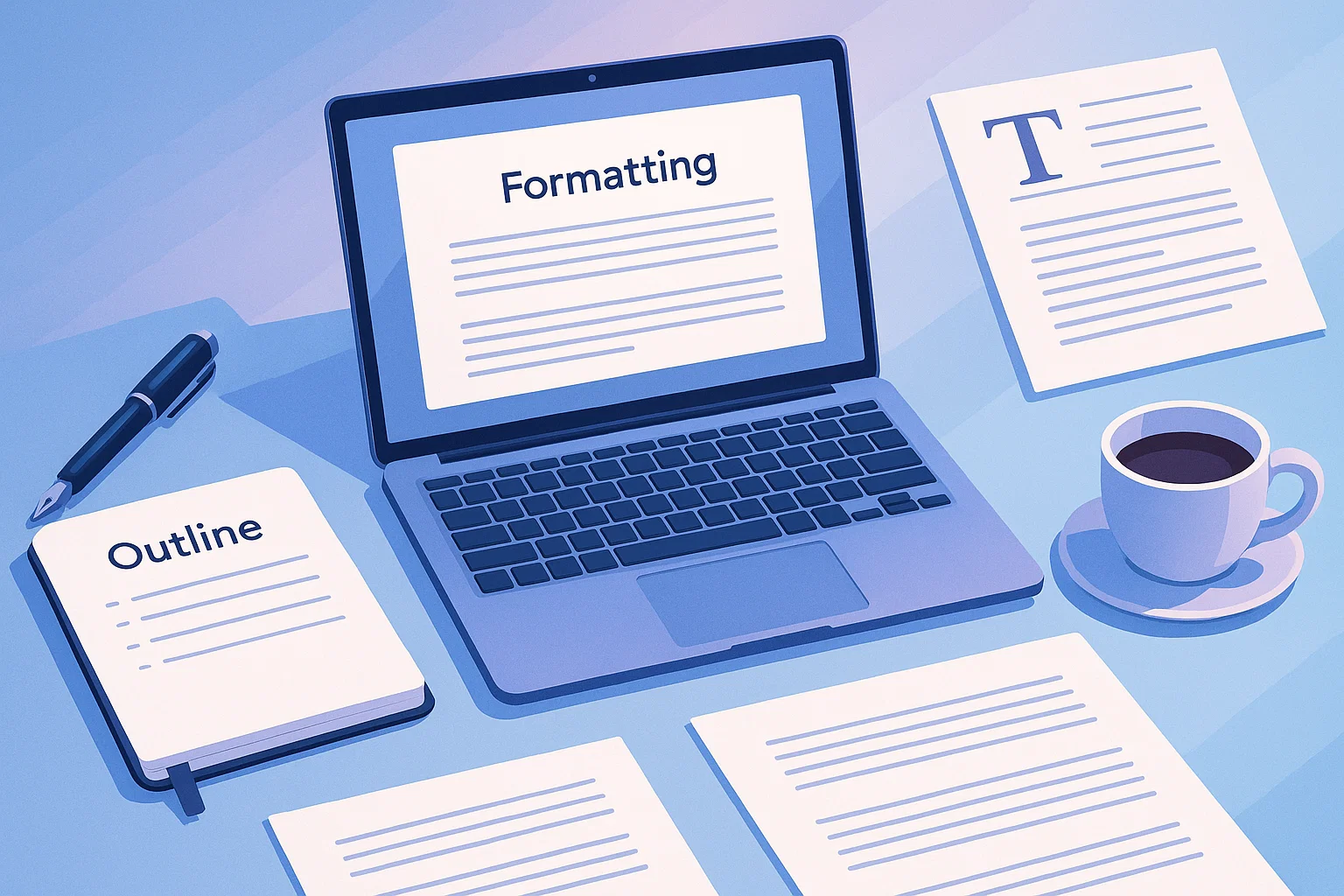
Book formatting is how your text looks on the page. It includes:
- fonts
- spacing
- margins
- chapter layout
- headers and footers
- line breaks
- paragraph indents
- overall visual flow
Think of formatting as the interior design of your book. You might have the best “furniture” (your story), but if you throw everything into a messy room, it won’t feel inviting.
B. Formatting vs. Editing
Here’s the simplest way to remember it:
- Editing = fixing content.
- Formatting = presenting content.
Editing is about words.
Formatting is about the experience of reading those words.
C. Types of Formatting
Authors today need more than one style of formatting because books exist everywhere now print, Kindle, EPUB, audiobooks, PDFs, and more.
Here are the three main types:
1. Print Formatting
This is for paperback and hardcover books. It’s all about spacing, margins, and how pages turn.
2. EBook Formatting (Kindle, EPUB)
This is more flexible because readers can change font sizes. Good ebook formatting makes your book adapt gracefully.
3. Hybrid Formatting
Many authors want both print and digital, so hybrid formatting prepares one manuscript for multiple platforms.
Some publishing companies like David Mckay Publications specialize in offering authors formatting that works across different marketplaces.
III. Why Formatting Is a Critical Factor in a Book’s Success
If you ask any top-selling author how they keep readers hooked, many will mention pacing, editing, marketing, or a great cover.
Far fewer talk about formatting, even though it quietly influences everything.
Let’s break down why it matters so much.
A. Enhances Reader Experience
Think about how it feels to step into a clean, well-arranged room. That’s what good formatting does.
It:
- makes reading easier
- keeps the reader moving
- reduces eye strain
- improves flow
Simple things—like line spacing and clean chapter openings—make a huge difference.
B. Reduces Cognitive Load
When a book is poorly formatted, the brain works harder. Even if the reader doesn’t realize it, they get tired faster.
Good formatting removes this hidden burden.
Readers stay longer.
They focus on your story, not the messy layout.
C. Increases Professionalism & Credibility
Readers can usually tell if a book is professionally done within 10 seconds.
I’ve seen incredible manuscripts lose credibility just because the interior looked sloppy. A great story can look amateur if the formatting is careless.
And once a reader feels your book is “low effort,” they start noticing every flaw.
This is why successful authors see formatting as their secret weapon.
Also Read My Website Blog: How to Format Your Book Like a Pro Before Publishing
IV. How Formatting Impacts Amazon KDP Performance
Amazon algorithms pay attention to more than keywords and categories.
Formatting plays a huge role, especially in the “Look Inside” preview.
A. Increases Conversion Rate
When a reader clicks your preview, the first few pages decide everything.
If the layout looks professional:
- buyers stay longer
- they read deeper
- they trust you more
If the formatting is messy, they close the tab.
Top authors know this and avoid sloppy layouts.
B. Helps With KDP Approval & Print Quality
KDP has strict guidelines about:
- bleed
- trim size
- margins
- image resolution
A poorly formatted file can lead to endless rejection emails.
Good formatting avoids all that frustration.
C. Boosts Reviews and Reader Feedback
Many negative reviews on Amazon aren’t about story.
They’re about formatting issues like:
- tiny text
- broken Kindle navigation
- weird spacing
- inconsistent fonts
Fixing formatting can literally save your review score.
D. Supports Better Kindle Performance
A linked table of contents, clean chapter breaks, and smooth navigation make Kindle reading feel effortless.
And when reading feels effortless, readers finish more chapters—and leave better reviews.
V. Cover-to-Content Consistency: Brand Impact
When a reader opens your book, the interior should “match” the promise of the cover.
If you invest in great Book Cover Design Services but the inside looks unprofessional, you create a mismatch.
A. Formatting Supports Author Brand Identity
Consistent:
- fonts
- spacing
- chapter headings
- visual style
…all help shape your brand.
B. Important for Multi-Book Series
If you’re writing a series, formatting becomes even more important.
Readers love consistency.
It makes your books look like they belong together.
C. Enhances Reader Loyalty
Once readers trust your professionalism, they’re more likely to stay with you long-term.
That’s how bestselling authors build loyal fan bases over years, not months.
VI. The Hidden Advantages Authors Don’t Know About
Many authors don’t realize how much formatting affects the “business” side of publishing.
Let’s look at some of these hidden benefits.
A. Higher Perceived Value → Higher Pricing Power
When your book looks premium, readers accept premium pricing.
Well-formatted books simply feel more expensive.
B. Reduces Editing and Production Costs
A clean file reduces:
- revision rounds
- print errors
- layout fixes
You save money and time.
C. Improves Accessibility
Good formatting helps:
- screen readers
- visually impaired readers
- dyslexic readers
Clear hierarchy and spacing improve accessibility for everyone.
D. Better for Audiobook Narrators
Narrators love clean manuscripts.
A well-formatted script:
- reduces recording errors
- speeds up session time
- lowers narration cost
If you plan on audiobooks later, start with clean formatting now.
VII. Common Formatting Mistakes New Authors Make
We’ve all seen these mistakes. Some are funny. Some are painful. All are fixable.
A. Too Many Fonts
One book is not a playground for ten different font styles.
B. Poor Line Spacing
Too tight or too loose hurts readability.
C. Messy Chapter Breaks
Readers hate when chapters start in the middle of a page.
D. No Linked Table of Contents
Essential for Kindle.
E. Bad Indentation
Random spaces and inconsistent indent sizes feel sloppy.
F. Messy Headers and Footers
A header from Chapter One appearing in Chapter Five looks unprofessional.
G. Dumping Raw Word Files into KDP
This is easily the biggest cause of formatting disasters.
VIII. Tools & Options for Perfect Formatting
Let’s talk tools. You don’t need to be a designer to format well.
A. DIY Tools
- Microsoft Word – great for beginners
- Google Docs – simple but limited
- Atticus – new, clean, author-friendly
- Vellum (Mac) – loved by many indie authors
- Kindle Create – perfect for KDP
B. Professional Software
- Adobe InDesign – the industry standard
- Affinity Publisher – powerful and affordable
These are great if you’re comfortable with design tools.
C. Hiring a Professional Formatter
If you want perfect results, hire a formatting expert.
Many publishing companies like David Mckay Publications offer formatting as part of their full Book Publishing Services, and it saves authors from countless headaches.
D. Hybrid Approach
Some authors use templates and then hire a formatter for final refinements.
It’s like cooking a meal and then having a chef season it perfectly.
IX. How Formatting Affects Marketing & Sales
Let’s step outside the book for a second and talk about marketing.
Good formatting isn’t only about reading. It influences:
- sales
- social media visibility
- reviews
- bookstore acceptance
A. Readers Share Beautiful Books
People love posting pretty page spreads online.
Aesthetic formatting increases your chance of organic shares.
B. Reviewers Judge Formatting Quality
ARC reviewers often mention layout issues.
Clean design = better reviews.
C. Print Bookstores Reject Poor Formatting
Bookstores look for clean:
- margins
- spacing
- professional layout
Bad formatting can get your book rejected instantly.
D. Improves Author Reputation
Readers trust authors who care about presentation.
And in a world where AI Art Book Covers and AI tools are becoming more common, human attention to detail stands out.
Even though AI is Reshaping Editing, Cover Design & Marketing in Publishing, readers still recognize and appreciate a naturally polished book.
X. Case Study Section
Let me share a simple, real example.
A. A Poorly Formatted Book
A friend once self-published a mystery novel. The story was gripping, but the interior had:
- tiny text
- sloppy chapter breaks
- inconsistent spacing
Readers complained. Reviews dropped. Sales tanked.
B. A Professionally Formatted Book
Another author I know took the same story after rights reverted to him, cleaned it up, reformatted it, and re-published it.
Readers loved it. Reviews improved overnight.
C. Before-and-After Results
- better reviews
- higher conversion
- fewer refunds
- increased trust
Formatting changed everything.
XI. Final Checklist for Authors
Here’s a simple checklist before you hit publish:
- consistent fonts and spacing
- correct trim size
- clean chapter layout
- linked table of contents
- correct indentation
- no widows or orphans
- tested on Kindle Previewer
- ready for both print and digital
Even if you use AI Art Book Covers, remember the interior must match the quality of the outside.
And even though AI is Reshaping Editing, Cover Design & Marketing in Publishing, human formatting consistency still matters.
XII. Conclusion
At the end of the day, formatting is more than a finishing touch—it’s the quiet force behind a book’s success. You can have a powerful story, a brilliant idea, or life-changing advice, but if the formatting is messy or distracting, readers won’t stay long enough to appreciate it. Clean design, readable pages, and consistent structure help your words shine. They also make your book look professional, raise your credibility, and support everything from KDP approval to reader reviews. When you think about it, formatting is the bridge between your message and your audience. It helps readers connect with your work without friction, confusion, or distraction. If you want your book to stand out, sell better, and build your author brand, take a moment to evaluate your formatting—or get help from a professional. Because a well-formatted book doesn’t just look good. It feels good to read. It holds attention. It earns trust. And most of all, it gives your writing the best chance to make the impact you imagined when you first started typing your very first page.
YOU MIGHT ALSO LIKE
How to Format a Book Professionally in 9 Simple Steps
Let’s suppose you are reading a memoir, though the storyline is strong and captivating, yet you lose tempo and have
How to Improve Your Writing Style Through Developmental Editing
I. Introduction Have you ever felt stuck in your writing, even after editing the same sentence five times? You’re not

Top 7 Benefits of Publishing Your Book as an E-Book!
In today’s changing publishing landscape, e-books have evolved from a simple paper book into dynamic, feature-rich platforms, offering an interactive